Irwin Kremen / Jennifer J. Lee
We recommend the latest version of Safari, Firefox, Chrome, or Microsoft Edge.
Irwin Kremen / Jennifer J. Lee
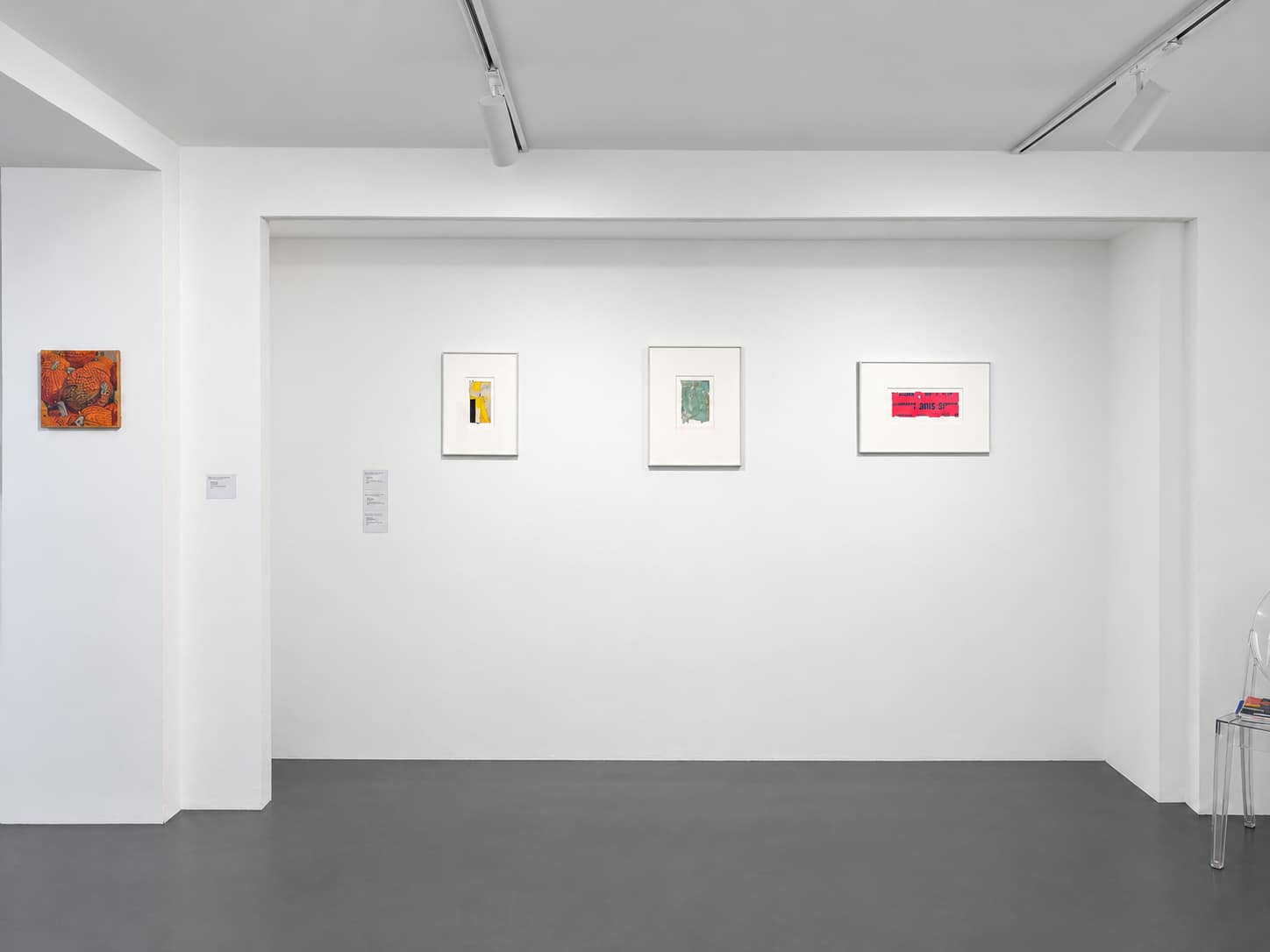
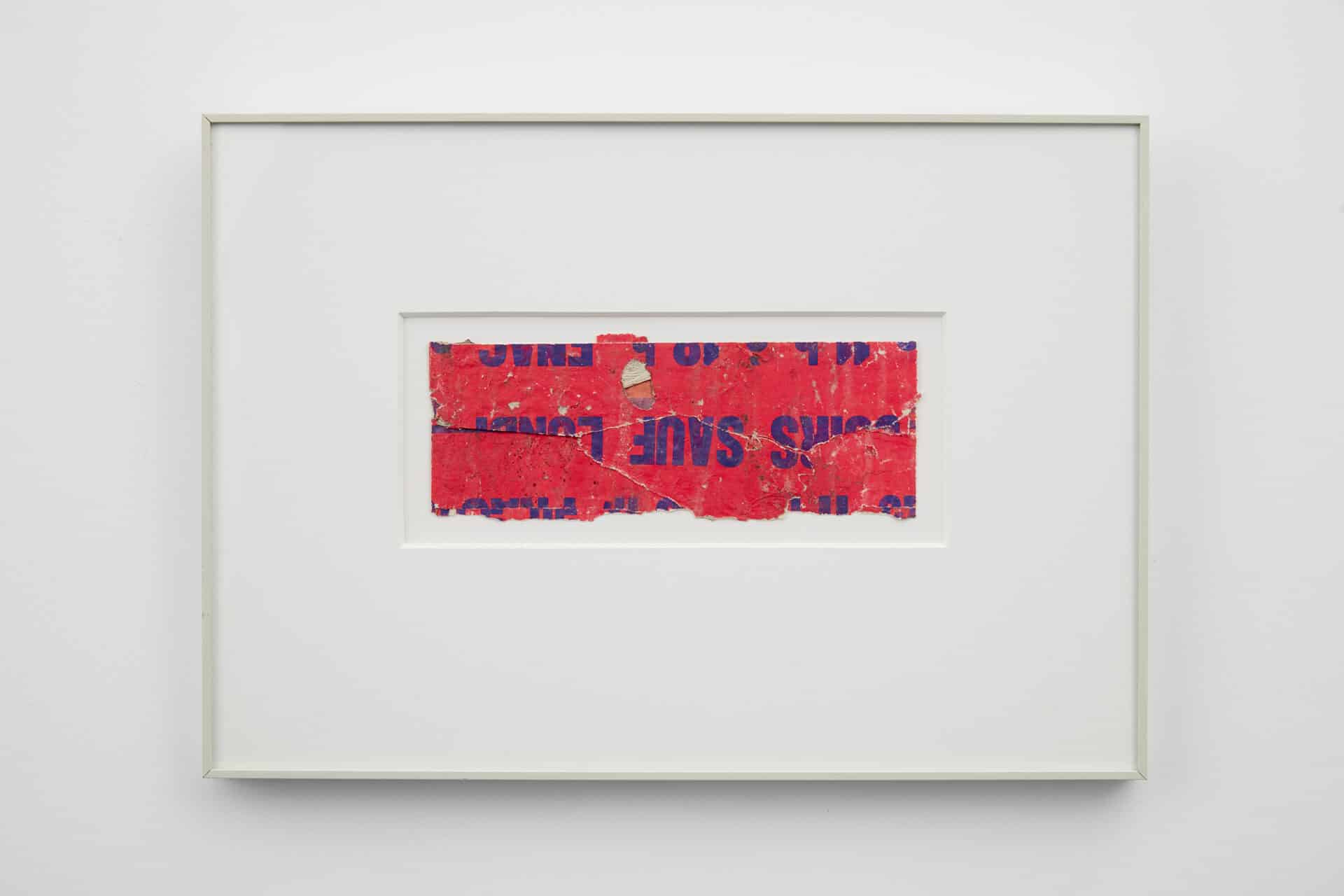
Irwin Kremen
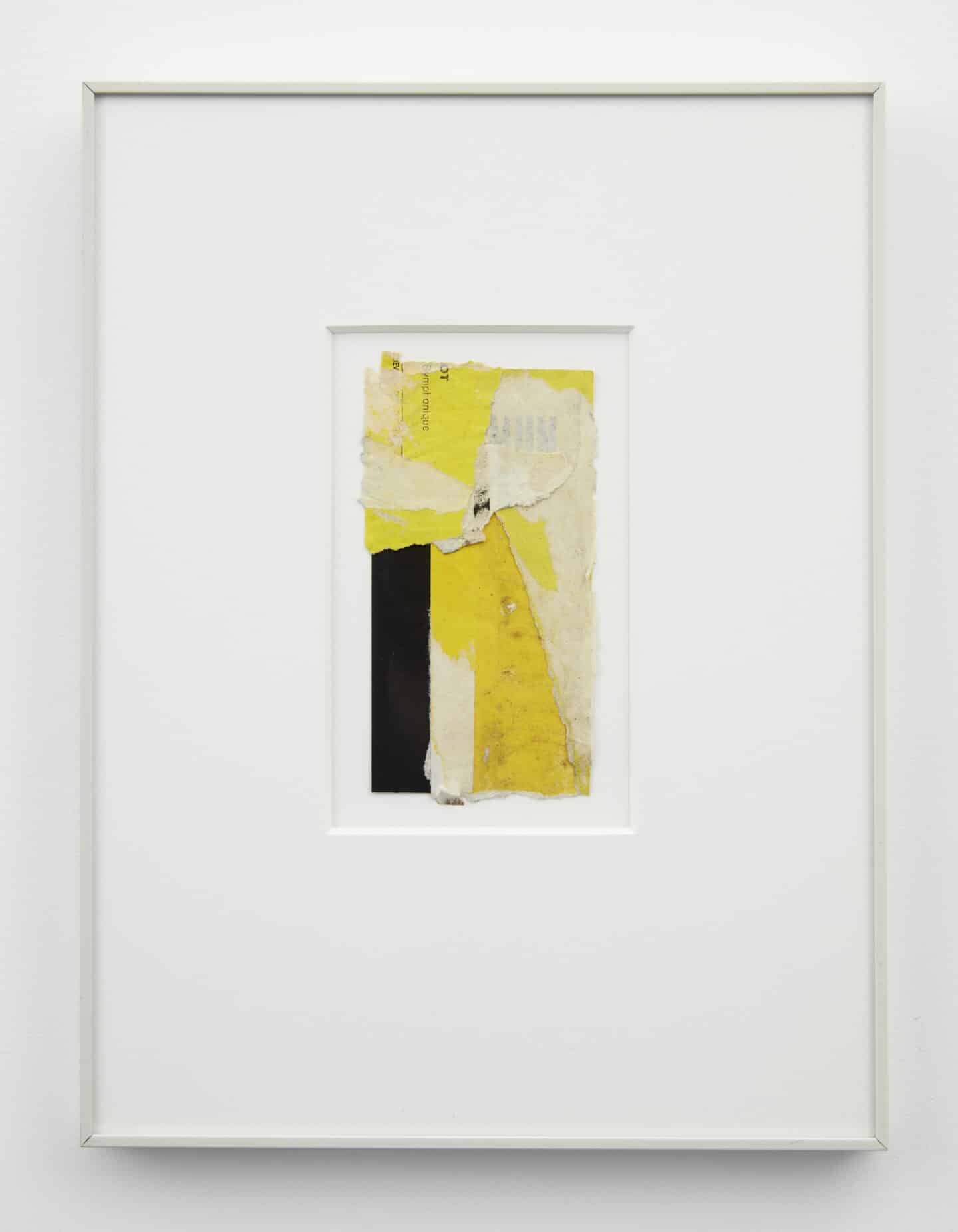
Red sauf Blue, 1984/1986
paper
4 ⅛ × 10 ⅝ inches (10.48 × 26.99 cm)
framed: 14 × 20 inches (35.56 × 50.80 cm)
IK1007
$18,000

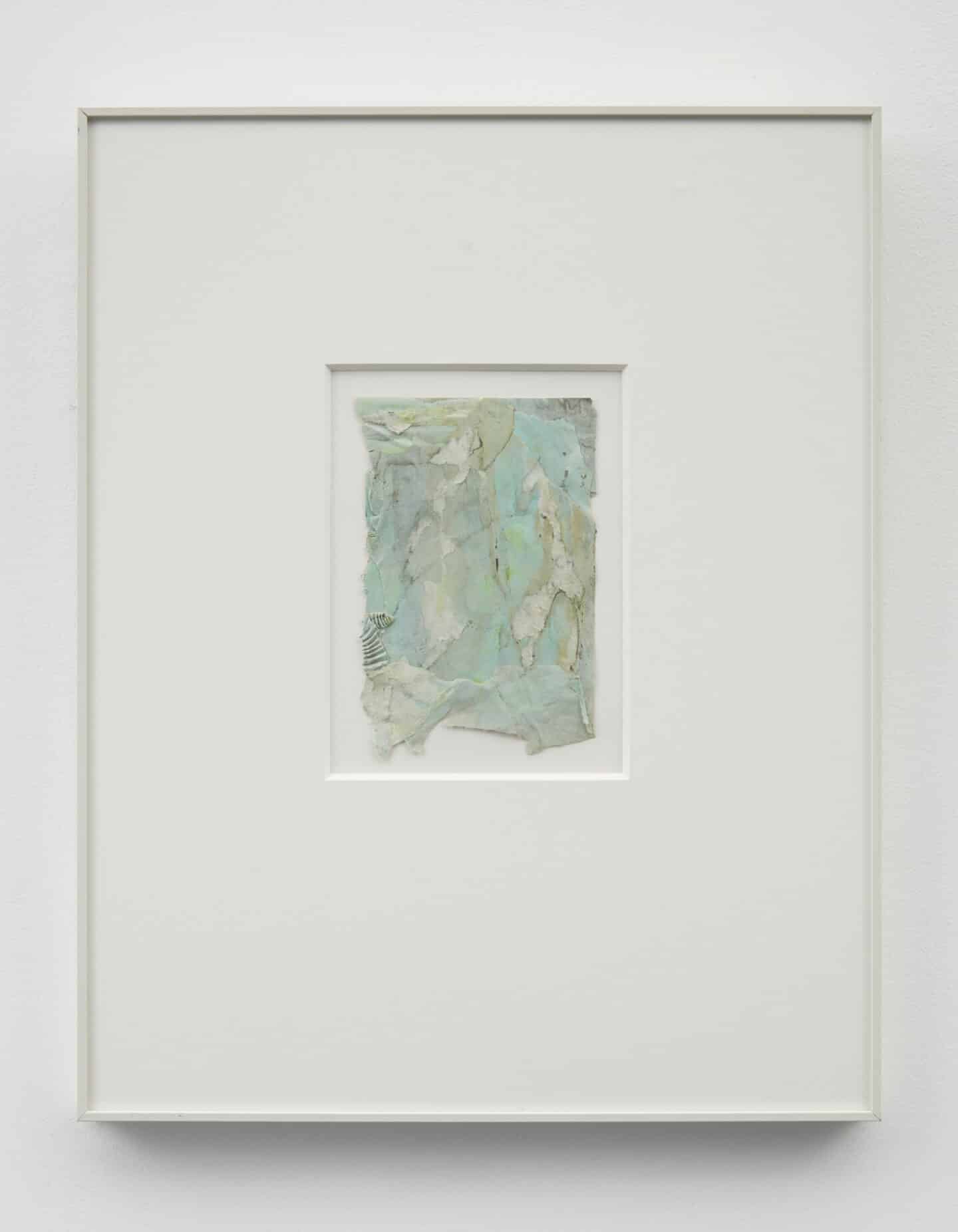
Artist and psychologist, Irwin Kremen’s path to this dual career was circuitous. In 1946 he spent a brief year at Black Mountain College, then a place of radical experimentation in education and art, devoting himself to writing and literary studies with MC Richards. A year later he moved to New York. There he became familiar with the avant-garde art, music, and dance scenes and met John Cage and Merce Cunningham who became lifelong friends. A turn in the road in the 1950s led to studies at the New School for Social Research and a new interest in psychology that culminated in a Harvard PhD degree. In 1963, he began teaching at Duke University where he became director of the Graduate Clinical Psychology Training Program, a position he held until 1971. At the age of 41, he began making art, a practice that, growing in rigor and dedication, continued until his passing in February 2020. Kremen resided in Durham, North Carolina with his wife, the writer and poet Barbara Kremen.

CONSTRUCTION OF THE COLLAGES:
 In Kremen’s two-stage process, each collage was composed from loose papers, scraps of paint, and various other ephemeral materials. Once the final composition was settled, Kremen then constructed a network of attachments via a delicate architecture of tiny Japanese paper hinges: each fragment being attached to the pieces behind it. This allows the various elements a certain sculptural quality within the overall composition, and in retaining their distinct qualities without being flattened or altered by gluing, the overall collages possess a tactility and monumentality that transcends their small scale. Constructing the network of attachments (‘hingeing’) was an intensive and time-consuming task requiring immense concentration and skill; it was a testament to Kremen’s uncompromising nature and devotion to his artistic ideal that he insisted on this delicate procedure to ensure the lasting three-dimensionality of his work.
For each collage work Kremen made, he constructed a detailed map or “schematic,” indicating the locations of the various hinges and folds, labeled with a code unique to his own system – FL, B, OB, etc. Kremen stated “The unbroken letters and lines indicate a placement on the upper layer of paper; broken letter and bars, on the underlying layer or in between the two. I also show the mounting hinges, designated as MFL or MSt, and the location of my signature on the back of the work with the symbol <Sig>.”
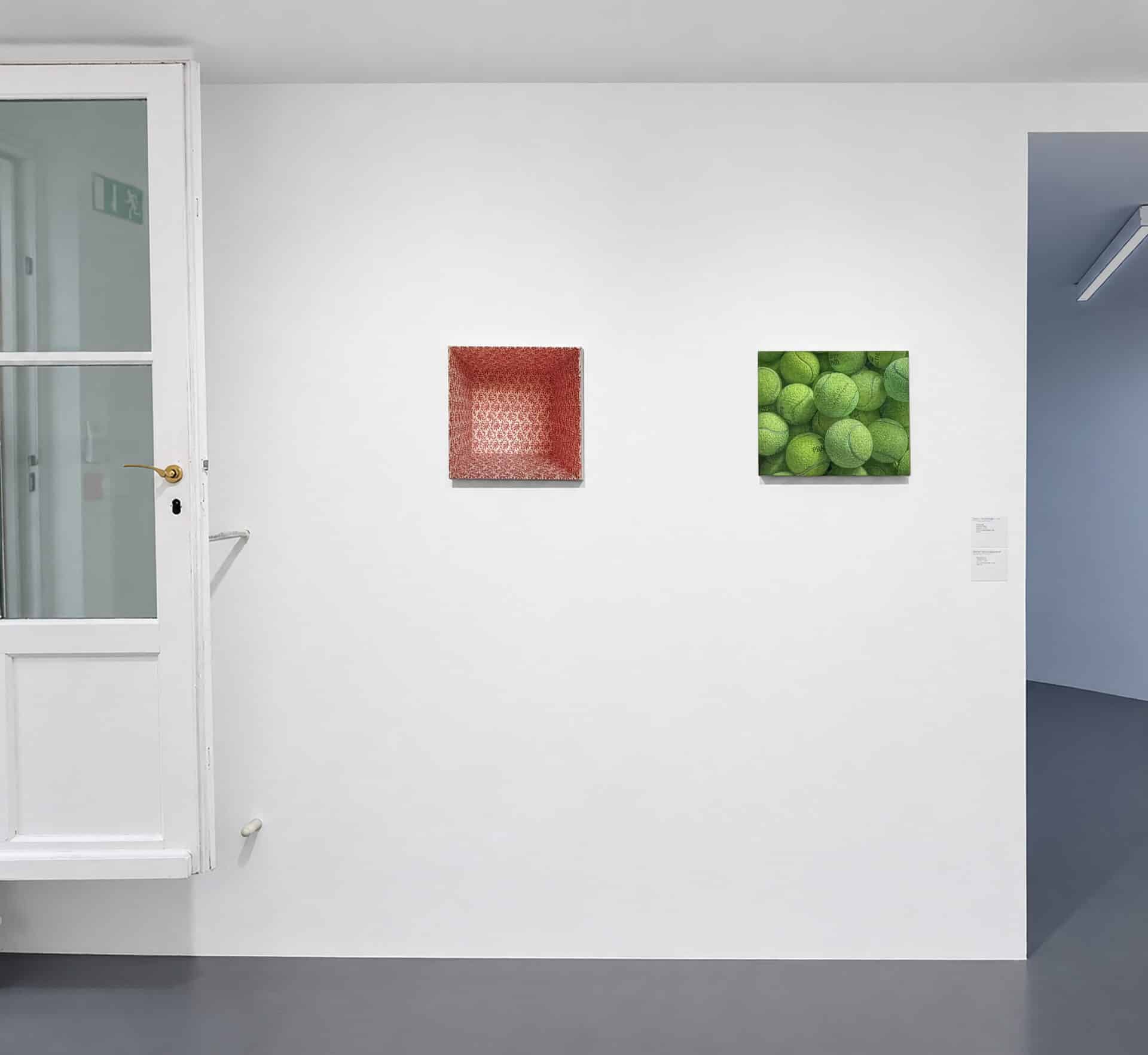

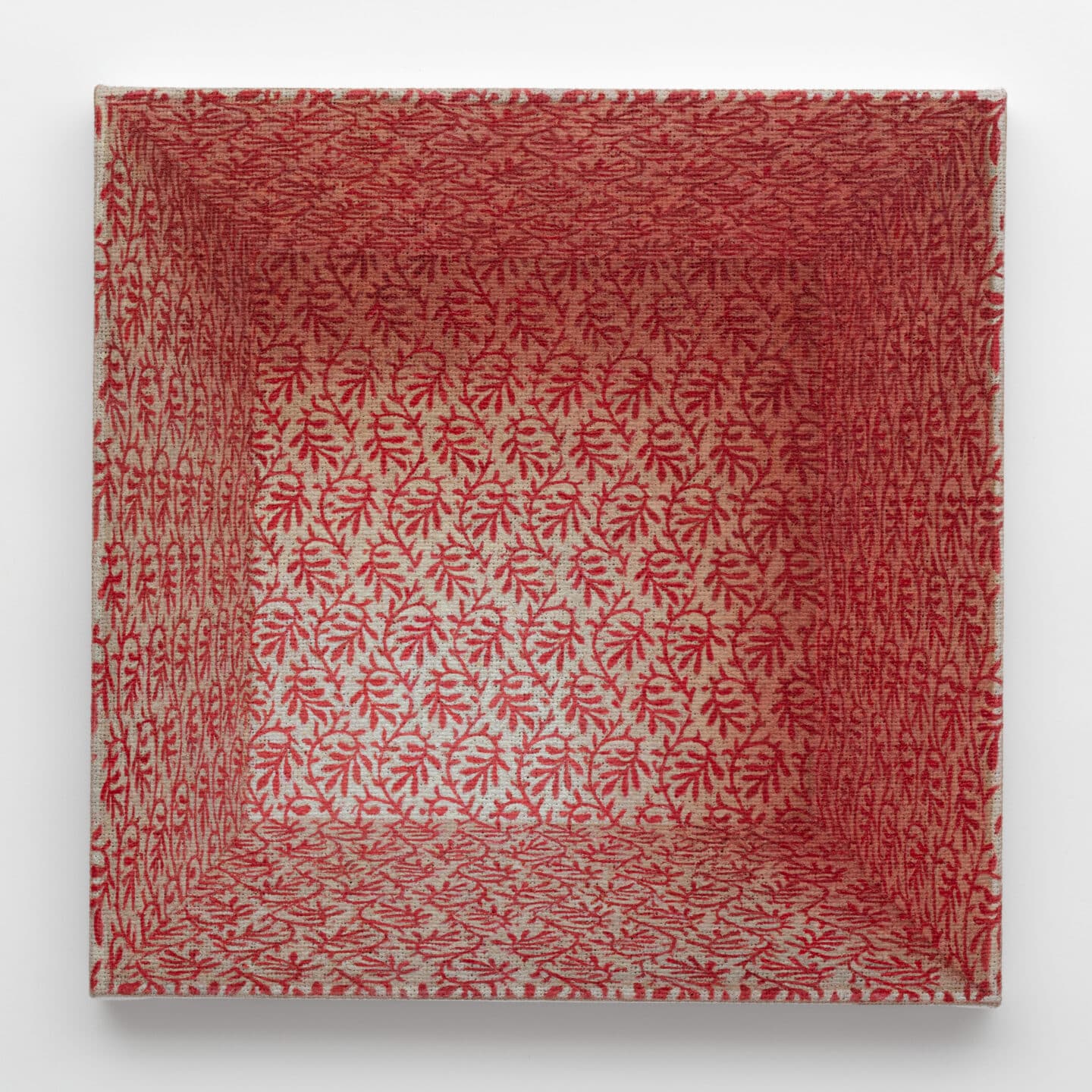
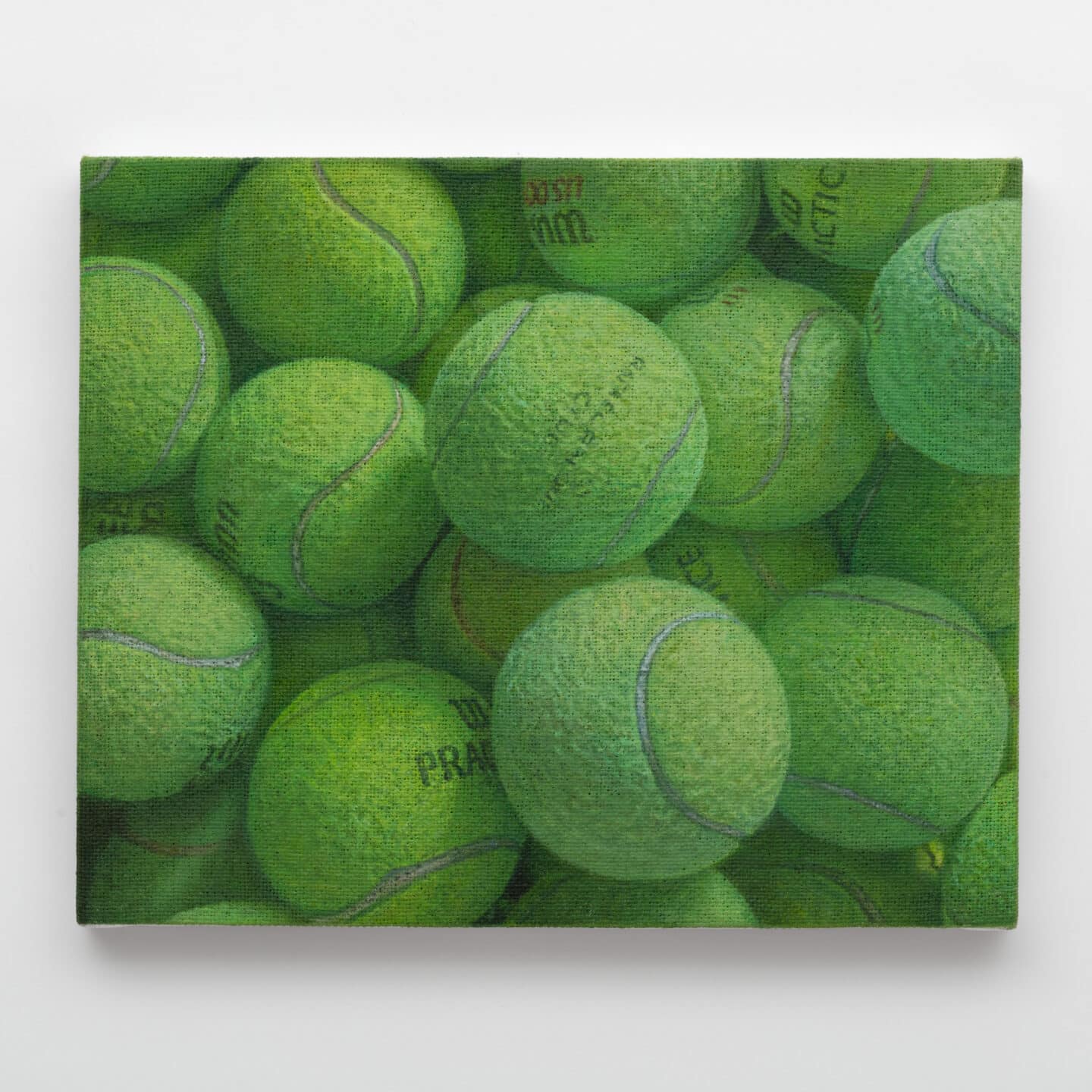
Jennifer J. Lee (b. 1977) lives and works in Brooklyn, NY where she makes her paintings sitting by a window at a traditional drawing desk. While working she refers to an iPad which displays an image sourced from internet forums and online shopping sites. Lee, using small brushes and colors drawn straight from the tube paints on thick jute burlap. This process degrades the mechanical operation of photography while perversely simulating it. Her work is startlingly photo-realistic, rendered in an intimate scale that invests familiar objects with a psychological depth. Lee acts as a visual semiotician, choosing her subjects as symbolic objects and deploying them in sequences that produce a quasi syntactical language.

Jennifer J. Lee
Pumpkins, 2019
oil on jute
10 × 10 inches (25.40 × 25.40 cm)
JL1031
$16,000.00